

The 21st century has witnessed a remarkable transformation in how we consume entertainment, particularly movies. The rise of streaming services has revolutionized the movie industry, reshaping the way films are produced, distributed, and consumed. From the convenience of on-demand viewing to the vast library of content, streaming platforms have captured the hearts of audiences worldwide. In this blog, we will explore the impact of streaming services on the movie industry, examining their influence on content creation, traditional movie theaters, and the overall cinematic landscape.
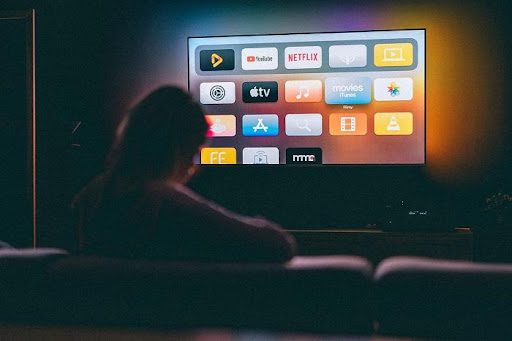
Image collected from: "valiantceo.com"
The Emergence of Streaming Services
The shift towards streaming services began in the early 2000s when companies like Netflix and Hulu entered the market. These platforms offered subscribers the ability to stream movies and TV shows on-demand, challenging the traditional model of cable and DVD rentals. As internet connectivity improved, streaming services gained popularity rapidly, leading to the proliferation of new platforms such as Amazon Prime Video, Disney+, HBO Max, and many others.
The Accessibility and Convenience Factor
One of the primary reasons for the success of streaming services is the convenience they offer to viewers. With a vast library of content available at their fingertips, audiences can access movies anytime, anywhere, and on any device. This accessibility has fundamentally altered the way people watch films, eliminating the need to schedule visits to movie theaters or rely on cable TV programming.
Impact on Movie Theaters
The rise of streaming services has triggered a paradigm shift in the film exhibition landscape. With the convenience of home viewing, many audiences have opted to stay at home and watch movies on their preferred streaming platforms rather than visit traditional theaters. This has resulted in a decline in theater attendance, leading to significant challenges for the movie theater industry.
Original Content Production
To stand out in a competitive market, streaming services have invested heavily in producing original content. These platforms now finance and release their own exclusive movies, series, and documentaries. This move towards original content has provided filmmakers with new opportunities for creative expression, as streaming services tend to be more open to diverse and experimental storytelling.
Changing Filmmaking Trends
The demand for original content from streaming platforms has influenced filmmaking trends significantly. Filmmakers are adapting their storytelling techniques to cater to the preferences of streaming audiences. For instance, the popularity of binge-watching has led to an increase in episodic storytelling and miniseries, allowing filmmakers to explore narratives in-depth and at a slower pace.
Global Reach and International Content
Streaming services have facilitated the global distribution of movies, making films from different countries and cultures accessible to a broader audience. Viewers now have the opportunity to discover and appreciate a diverse range of international cinema that may not have received widespread theatrical distribution in their countries.
Competition and Content Wars
The rise of streaming services has sparked intense competition among platforms to secure the rights to popular movies and TV shows. This has resulted in "content wars," with platforms vying for exclusive deals with production studios and entertainment companies. Such competition has driven up the cost of content acquisition, further fueling the demand for original productions.
The Impact on Traditional Studios
The dominance of streaming services has prompted traditional film studios to reassess their strategies and adapt to the evolving landscape. Some studios have launched their streaming platforms, while others have formed partnerships with existing platforms to ensure the continued distribution of their content.
Data-Driven Content Recommendations
Streaming services rely heavily on data analytics to analyze user preferences and viewing habits. This data-driven approach enables platforms to recommend content to viewers based on their interests, leading to a personalized and engaging user experience.
Challenges for Independent Filmmakers
While streaming services offer new opportunities for independent filmmakers to showcase their work, the sheer volume of content on these platforms can make it challenging for smaller productions to gain visibility. Additionally, the shift towards streaming has led to changes in revenue models, affecting how independent filmmakers monetize their films.
Piracy and Copyright Concerns
The rise of streaming services has not eradicated the issue of piracy. With high-demand content readily available on these platforms, there is an ongoing battle against piracy and illegal streaming sites that pose significant challenges to copyright holders and the movie industry as a whole.
The Future of Streaming Services
As technology continues to evolve, so will streaming services. The future may see advancements in virtual reality (VR) and augmented reality (AR) technologies, leading to innovative ways of consuming cinematic content. Additionally, the consolidation of streaming platforms and evolving subscription models may shape the future landscape of the industry.
The rise of streaming services has undeniably transformed the movie industry in numerous ways. From the way films are produced and distributed to the changing dynamics of traditional movie theaters, streaming services have left an indelible mark on the cinematic landscape. The accessibility and convenience they offer have empowered viewers to explore a vast array of content from around the world, revolutionizing the way we watch movies.
As streaming services continue to evolve and compete for subscribers, the film industry must adapt to this new era of entertainment. Filmmakers, production studios, and traditional movie theaters will need to embrace the opportunities provided by streaming platforms while navigating the challenges they present. Ultimately, the ever-changing movie industry must strike a balance between traditional exhibition and the digital revolution, ensuring that audiences continue to experience the magic of cinema, whether on the big screen or in the comfort of their homes.


0 Comments